
The Library of Technomadics
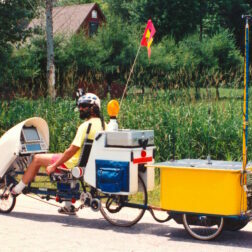
BEHEMOTH
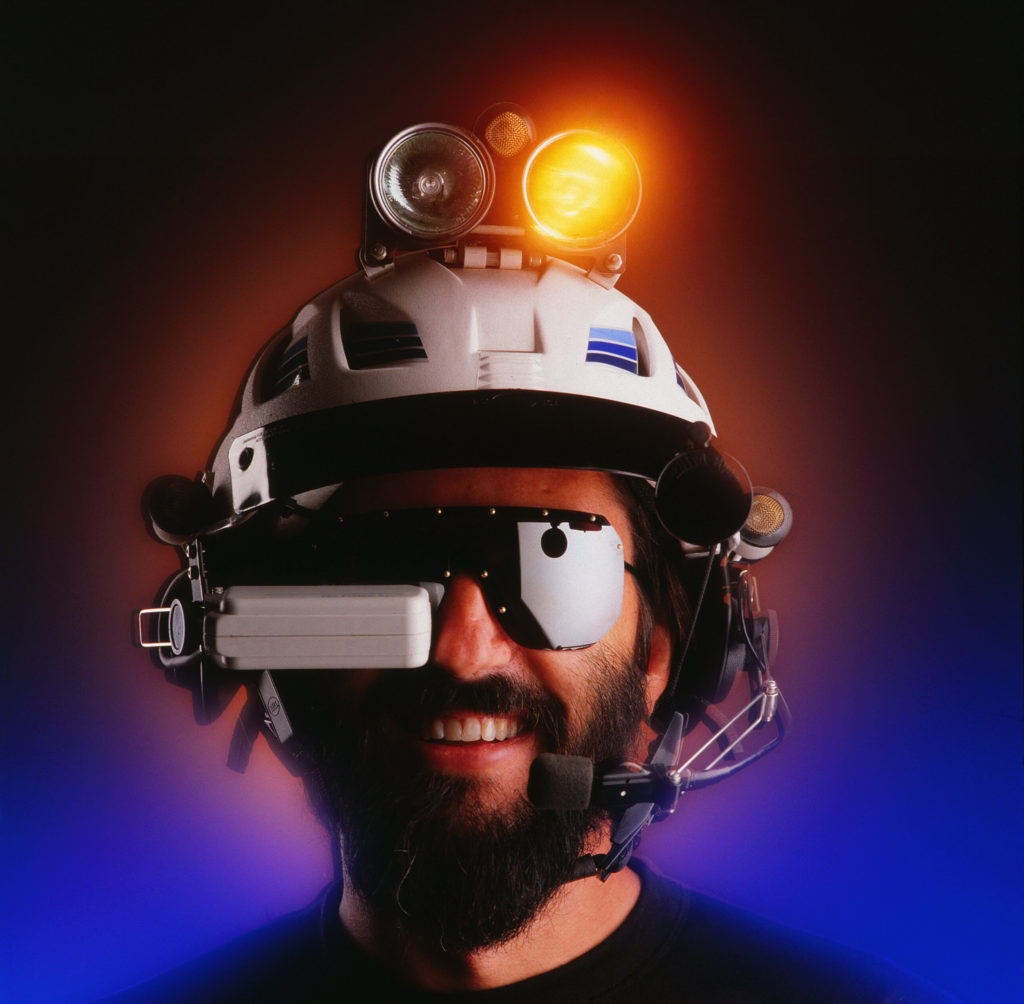
In 1983, I left Ohio on a "computerized recumbent bicycle" named Winnebiko to begin a career of technomadic publishing, then after the first 10,000 miles built a new machine that would let me write while riding. After another 6,000 miles, it was time for the mega-cycle... a 580-pound monster named BEHEMOTH. All three bike versions are described here.
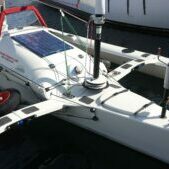
Microship
After 9 years of pedaling around the US on geeky bicycles, it was time to port the whole adventure to water. The Microship project spanned a decade, with three different labs and multiple design revisions... at last yielding an amphibian pedal/solar/sail micro-trimaran. This massive project was fueled by about 160 corporate sponsors and a team of brilliant geeks...
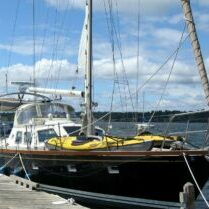
Nomadness
By the time the Microship was "done" in 2003, I wanted something more practical... large enough to live aboard with crew, piano, and lab. After a year with a rocketship 36-foot trimaran, I bought an Amazon 44 — a steel pilothouse cutter. With the intent of preparing for open-ended global voyaging, I cruised and lived aboard for 6 years while immersed in nautical geekery.
Datawake
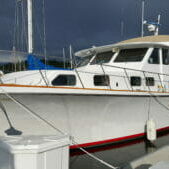
In my sixties, it was time to move to the Dark Side... so I found a new owner for Nomadness and acquired a Vic Franck Delta 50. I now live aboard this floating lab in the San Juan Islands, with communications, virtual reality, underwater vehicle, piano, audio studio, data collection, machine shop, and deployable micro-trimaran for local exploration.

New Posts
This column showcases new additions with current dates, and may include articles about the boat project, dives with the ROV, photography, new toys, or other real-time content.
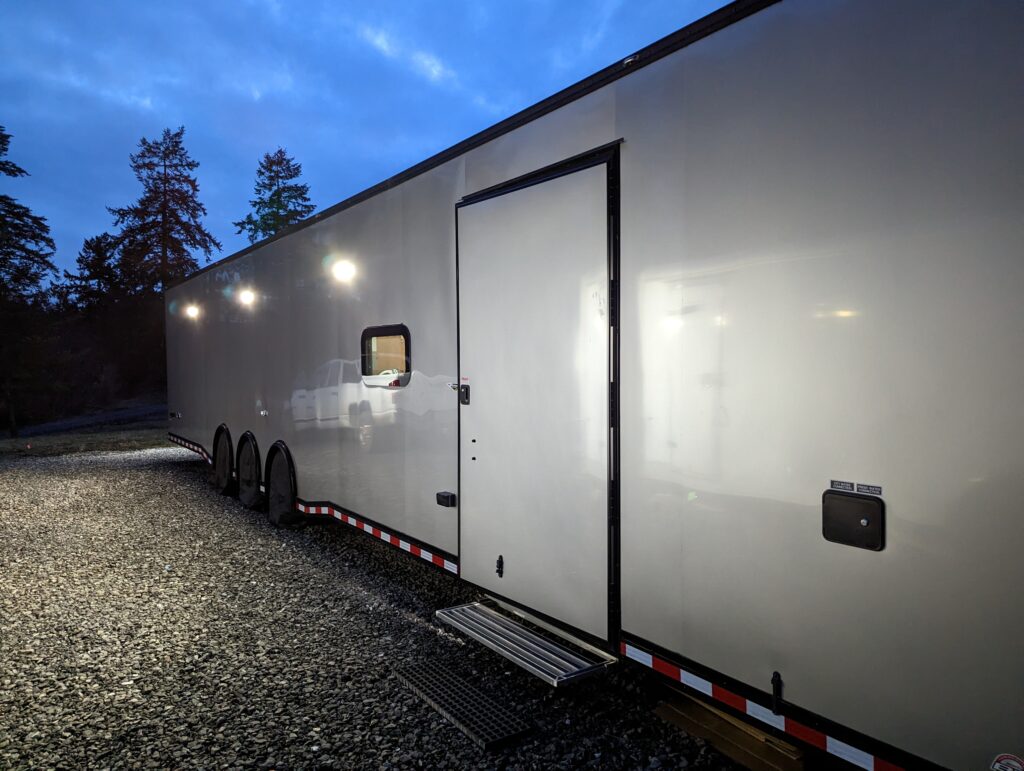
When I bought this sexy lab trailer, I was dealing with a red-alert… my business lease in Friday Harbor had become unstable, and it was impossible to find a rental on this rock except for overpriced triple-net absurdities. Erecting a pole building on my dear friend’s land was out of the question (36-week permitting delays,…

Inspired by being roused from a nap to be hauled off in the carrier to spend a day with me at the lab, Isabelle threw herself wholeheartedly into completing volume 2 of her critically acclaimed treatise on feline existential angst. For continuity with Kant, Hegel, and other voices, she is writing Existenzielle Angst der Katze…
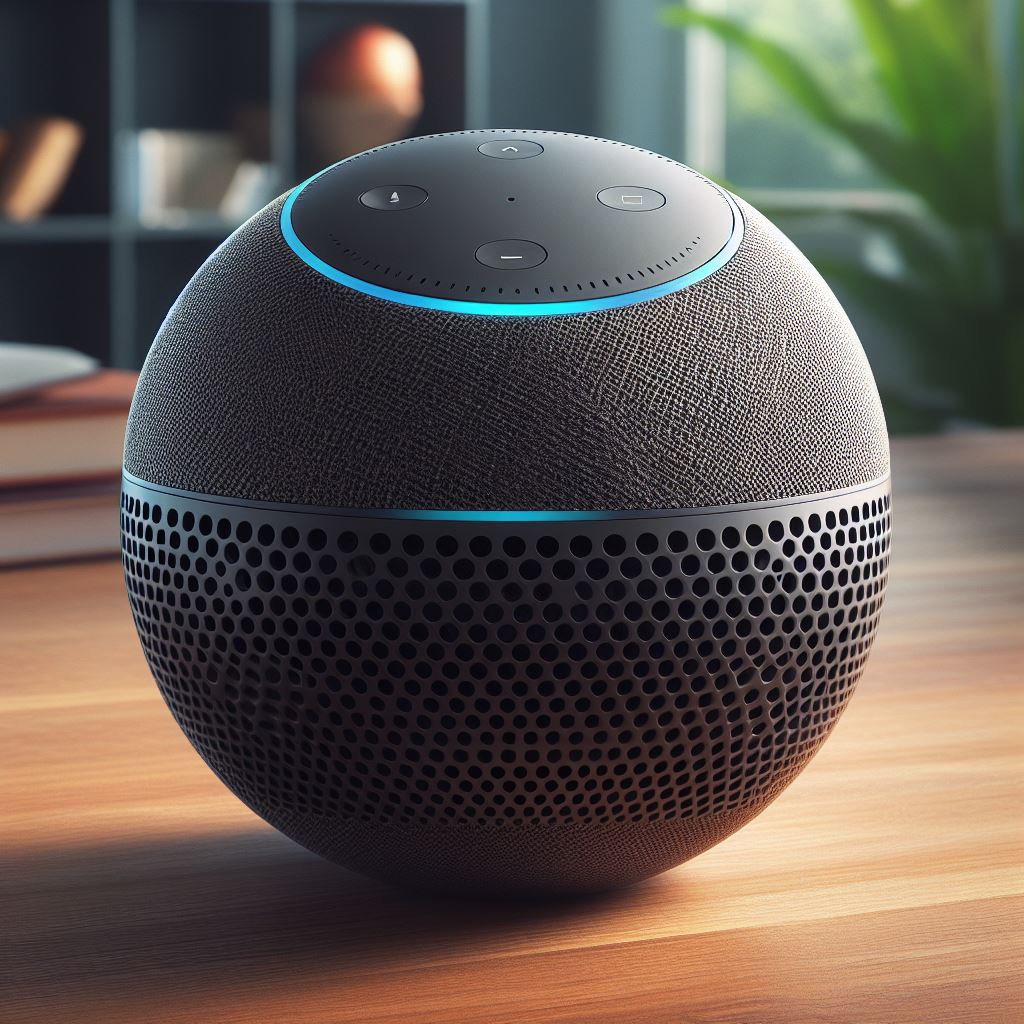
As an engineer, one of the most absurd things on the Interwebs is the profusion of tech nonsense… wishful thinking, art projects presented as reality, and the industry of audiophile pseudoscience. I love stereo systems that are on the performance asymptote as much as any other paleogeek who grew up with vinyl, but I bristle…
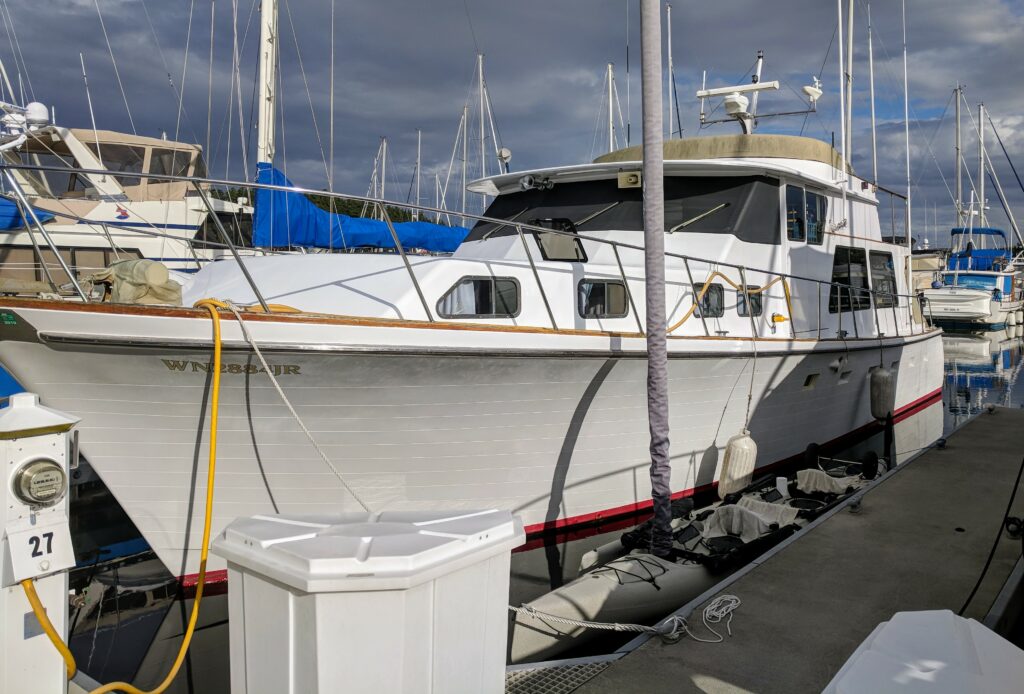
Floating Technomadic Lab/Office for Sale! Posts in this wide-ranging archive have covered my move to the “Dark Side” – selling my Amazon 44 named Nomadness on the quest for floating lab space. I bought this gorgeous Delta 50 in early 2016, named her Datawake for the “wake of data” streaming astern, then spent four years…
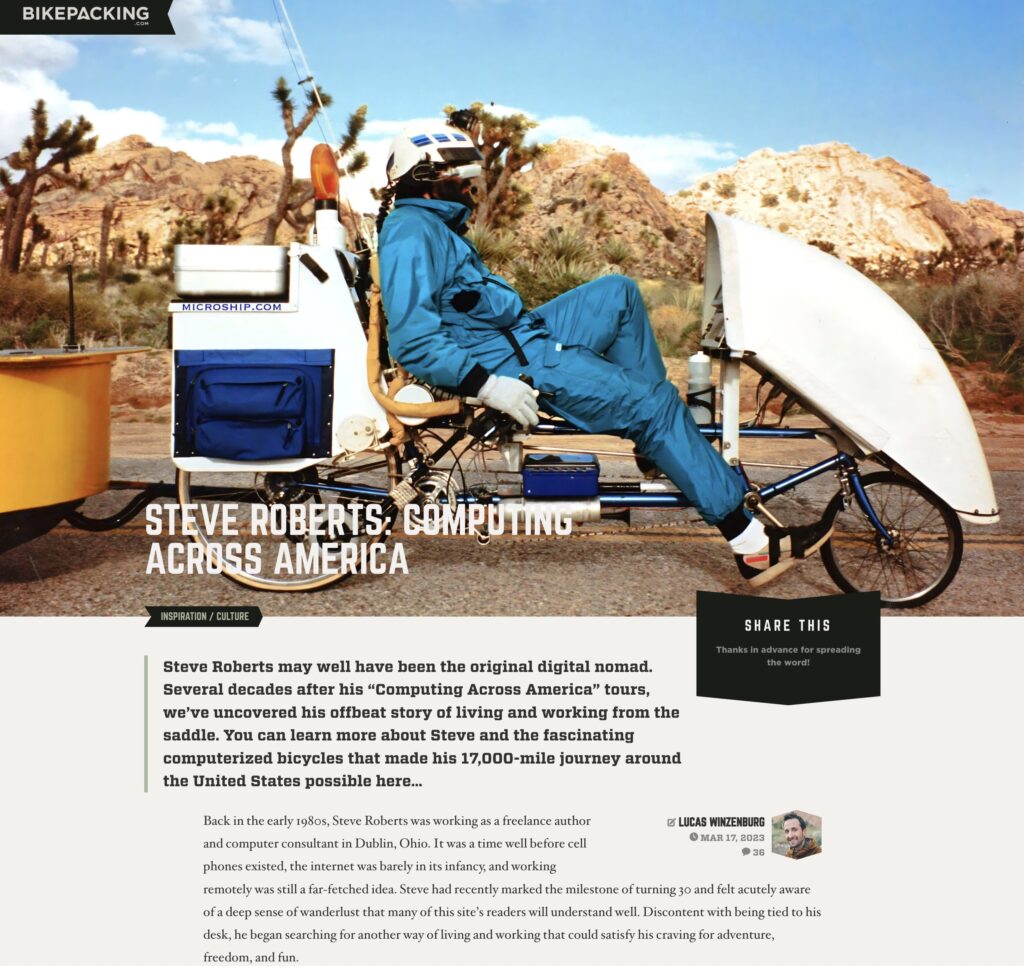
This beautifully written 2023 article by Lucas Winzenburg in Bikepacking captures the flavor of my 17,000-mile adventure from the technological and cultural perspective of 40 years down the road. It has sparked considerable discussion and a few interview requests about digital nomad history, and I am honored to provide this link to the source. The…
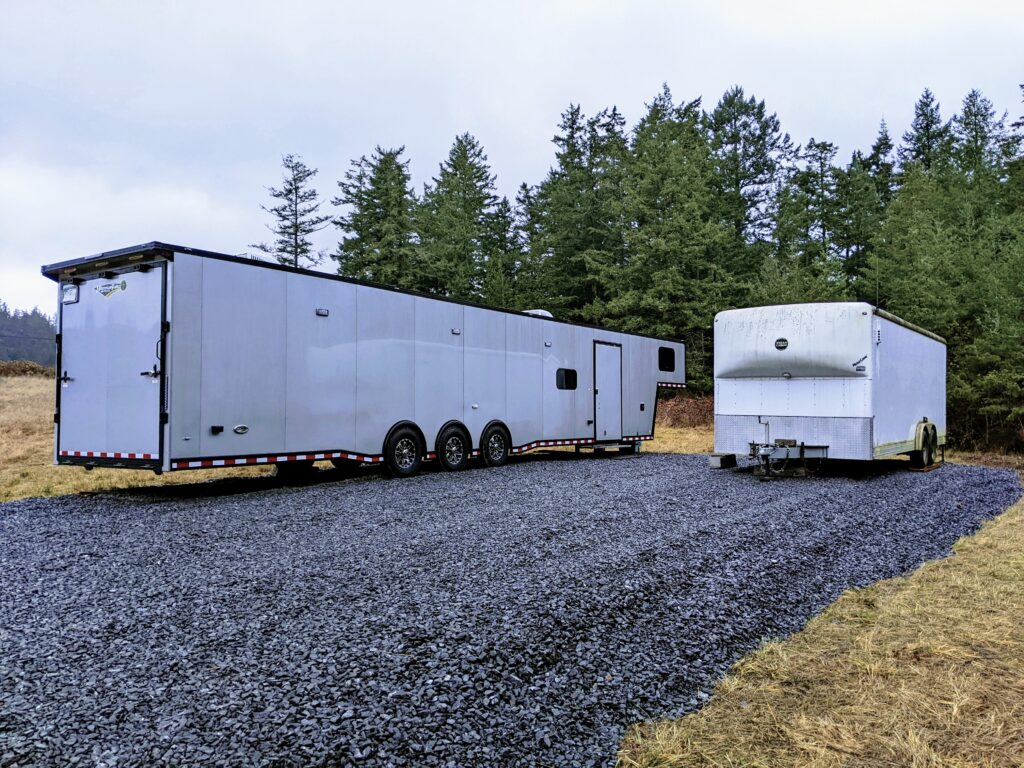
Here in late 2022, as a sort of technomadic swan song, I have embarked on a new adventure in mobile geekery. There will be no pedaling this time, nor is this another floating extravaganza of boat hacking and nautical gizmology. Instead, I’m creating a 48-foot mobile laboratory packed with the tools of my trade… digitizing…
Recent Archive News
Changes to the library are automatically shown here... whether newly scanned articles, digitized videos and movies, historical documents, or edits to existing material. March 23, 2023 item count: 1,080
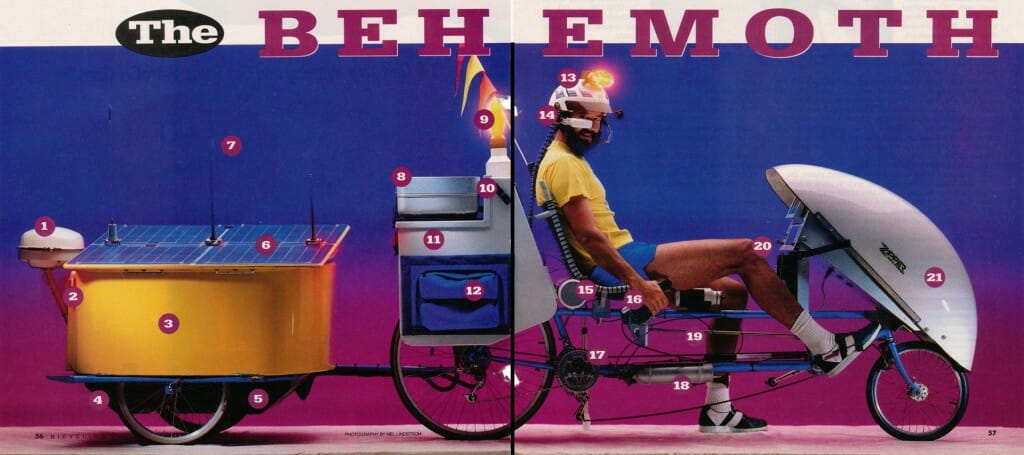
This was a significant article in the annals of BEHEMOTH. It came out while I was on the road in the summer of ’91, struggling to get my body back in shape while dealing with a machine that was a lot heavier than I had anticipated. The photo was taken in the Palo Alto studio…

This posting in the Bikelab series featured a speculative tale of technomadic adventure that helped crystallize the vision of the bike systems. Even with specific references to long-obsolete products, it holds up decades later as a compelling geek fantasy. (The original post also announced my weekly open-house for Sun engineers, as well as the urgent…
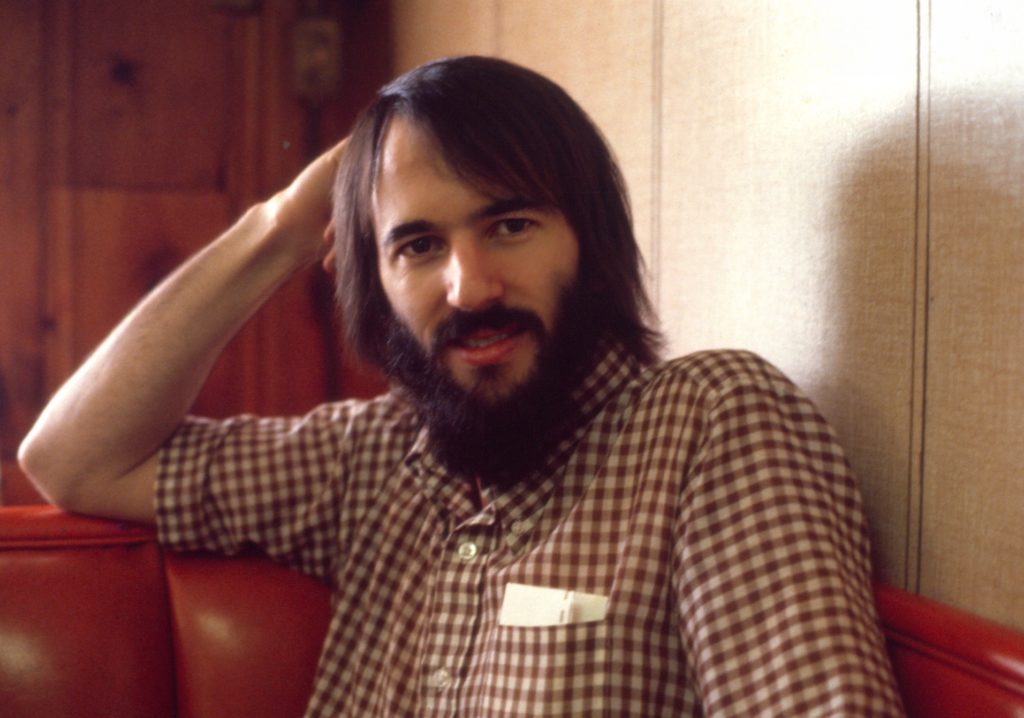
The photo above is from my trip to the National Computer Conference, which I covered for Byte Magazine. And speaking of Byte, when I visited them in March, I spent an evening with the prolific Steve Ciarcia at his famed Circuit Cellar: I don’t know the story behind these next two photos – they are…
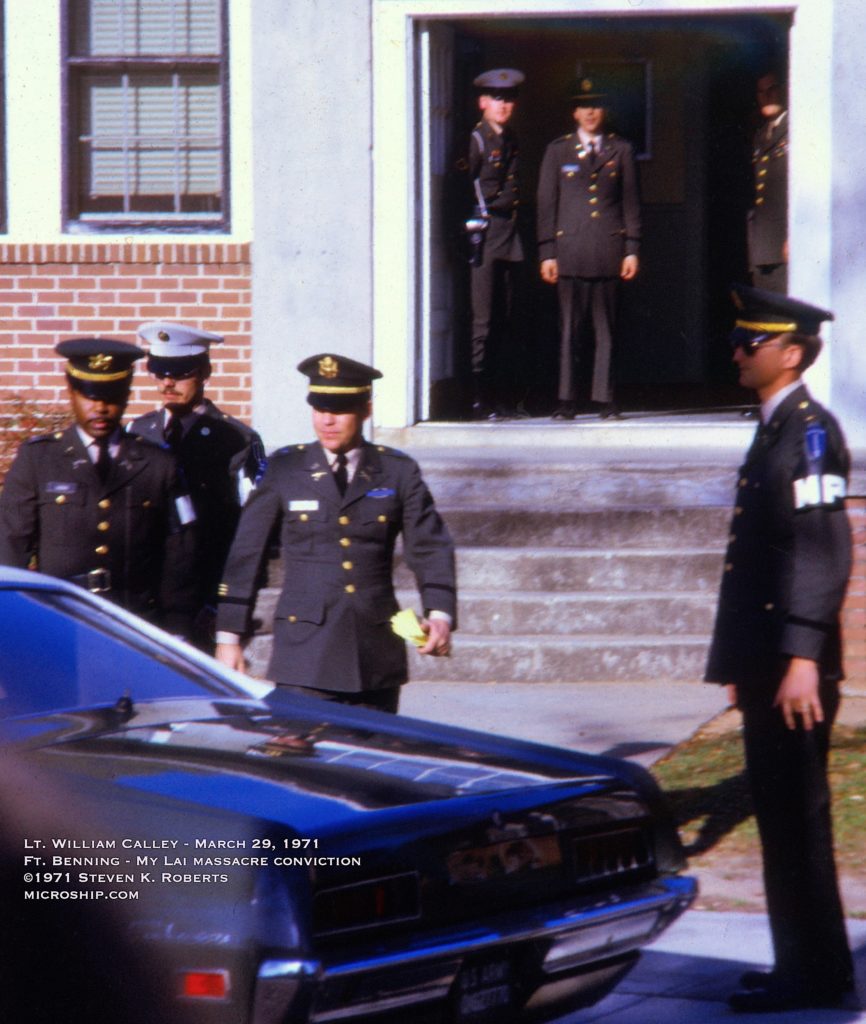
Here’s a random bit of history from the archives, unrelated to everything else on this site… picture me as a 19-year-old hippie geek in 1971, working for Sylvania as a technician installing Autovon central office telephone equipment at Fort Benning during the Vietnam war. Morbidly fascinated by the My Lai massacre trial, where William Calley…
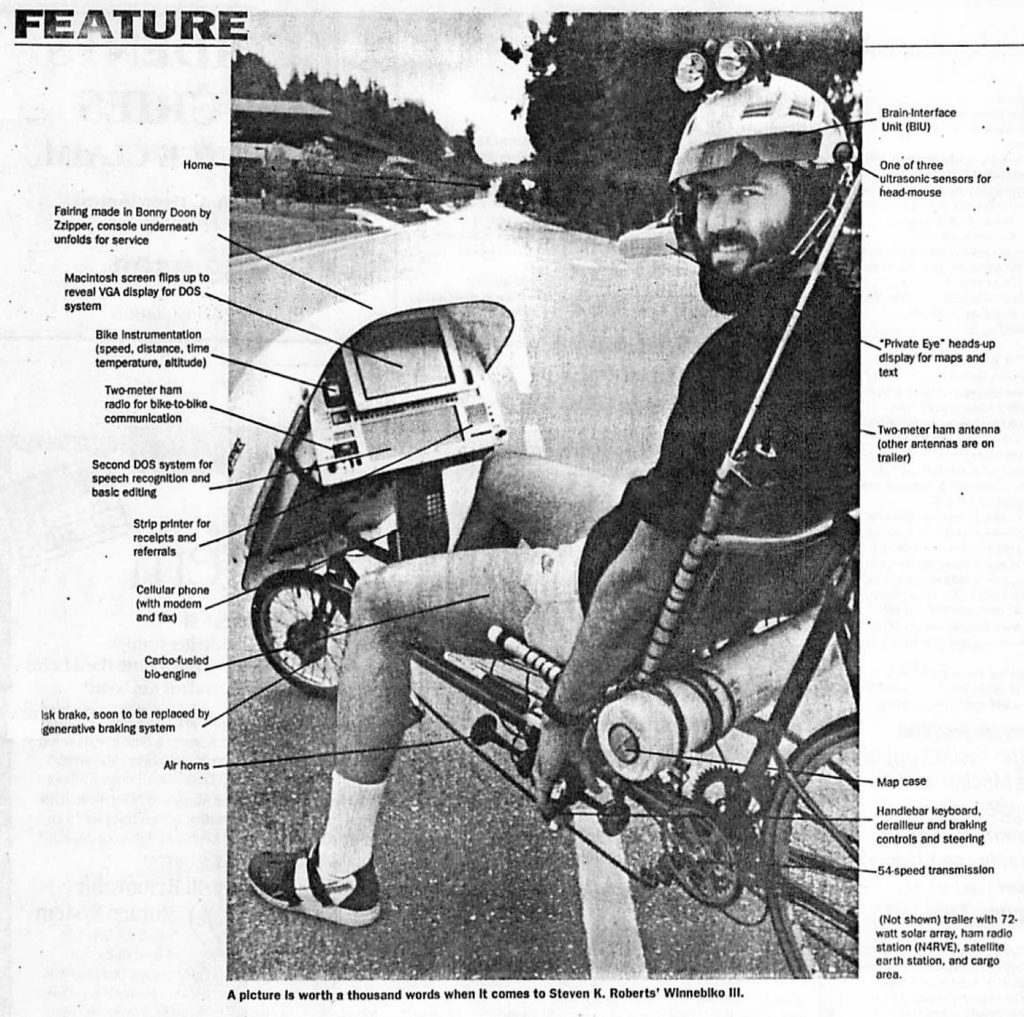
The first year or so of the BEHEMOTH project was in Santa Cruz, and in early 1990 I had lab space at Borland International. The photo above is on that street in Scotts Valley. This is a local free publication, lively and fun, and it was nice to have the new version of the bike…
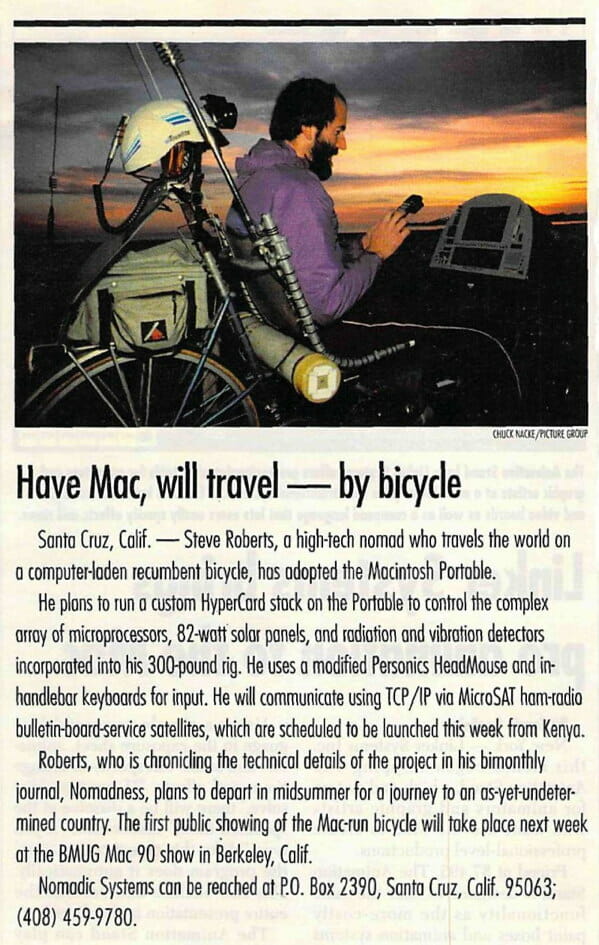
The decision to use a Macintosh Portable in the console of BEHEMOTH was significant, and led to a very interesting bicycle-mobile work environment (with handlebar keyboard and ultrasonic head mouse, both mapped to the Apple Desktop Bus) than would have otherwise been the case. Apple donated the machine, and the Mac-related press loved it. MacWeek…
Microship Store
I have an online store linked above for technomadic publications and cards, along with a few special items of historical interest. (This is in addition to the Microship eBay store offering an eclectic mix of gizmology, nautical geekery, and antiquities.)
1974 Homebrew 8008 System
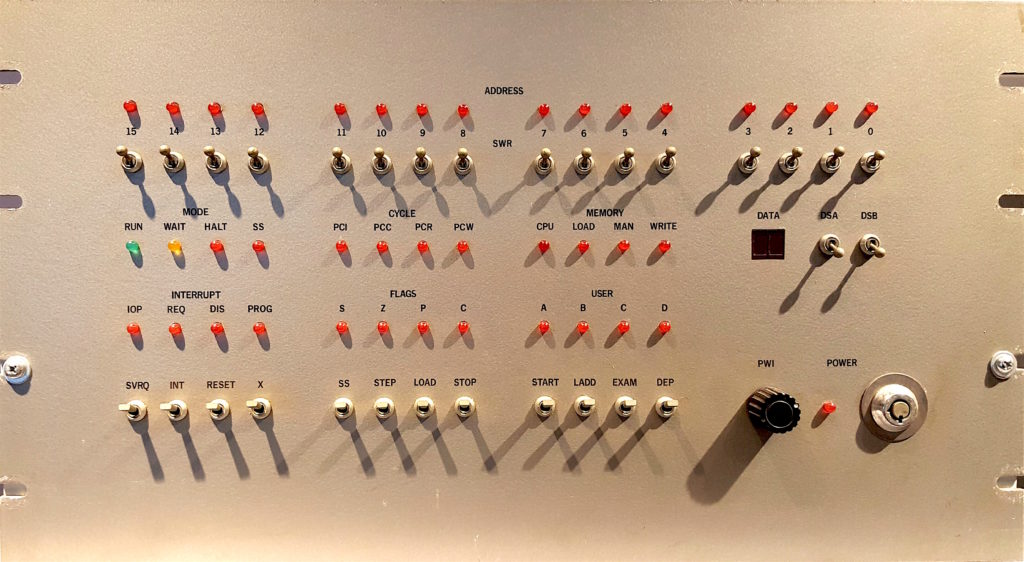
In 1974, six months of geek obsession led to one of the first personal computers... a homebrew 8008 that is now on display in the Computer History Museum. The story of that machine is here, including complete schematics. This predated the computer kits that kicked off the personal computer revolution, and it was in daily use for years.
The Polaris Mobile Lab
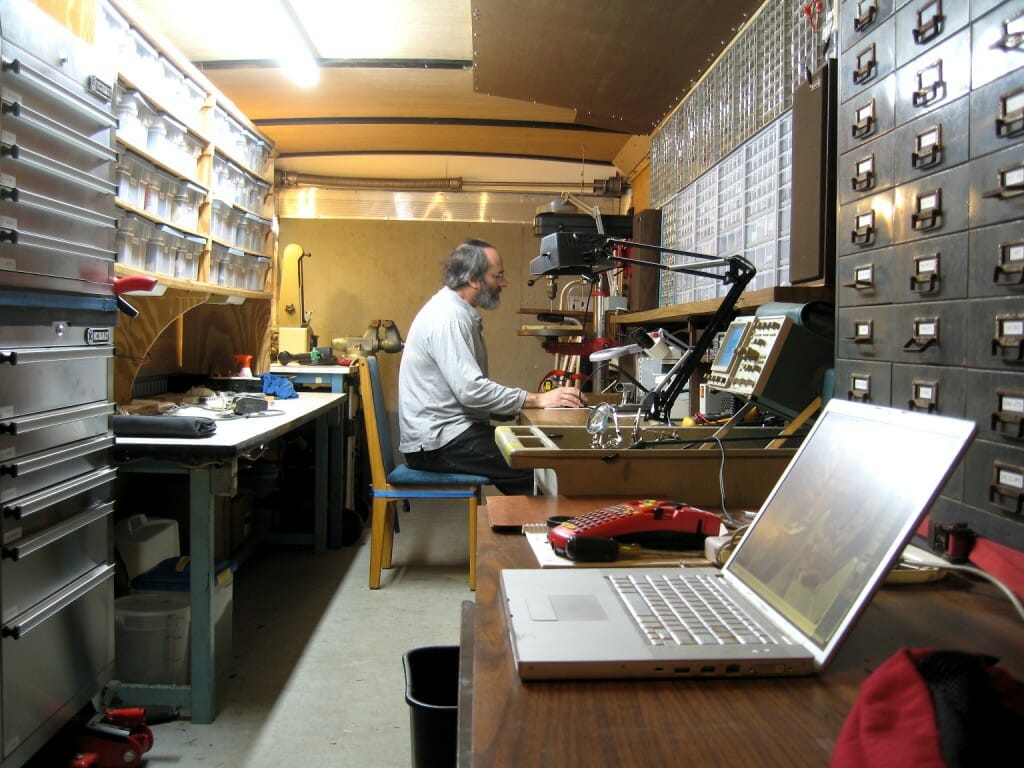
I have occasionally needed a capable laboratory that is not constrained to a fixed location, so I built one into a 24-foot utility trailer. Featured in MAKE: Magazine, this is a detailed description that includes preparing the space, inventory storage, furniture, fixturing, and power.
Isabelle
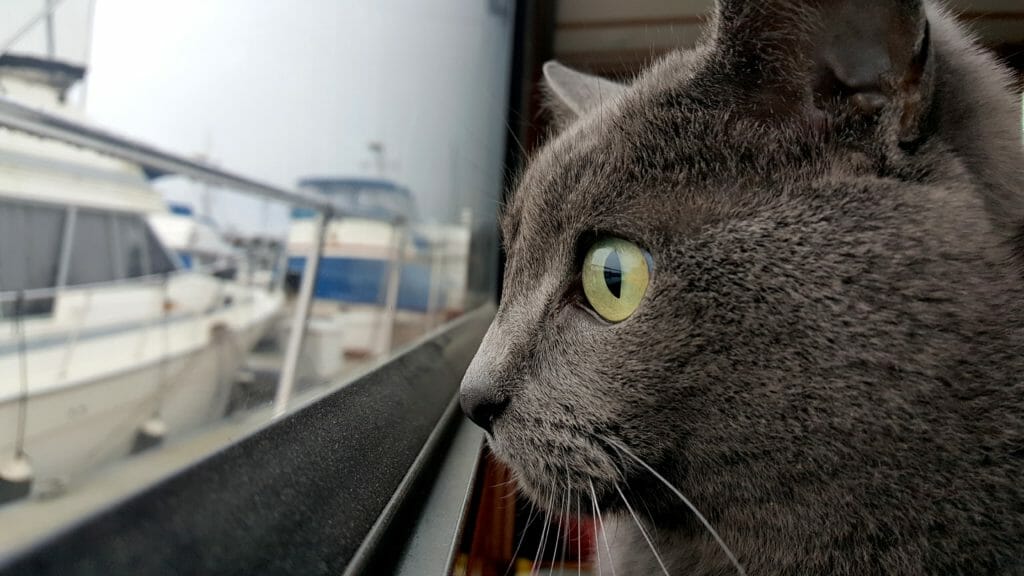
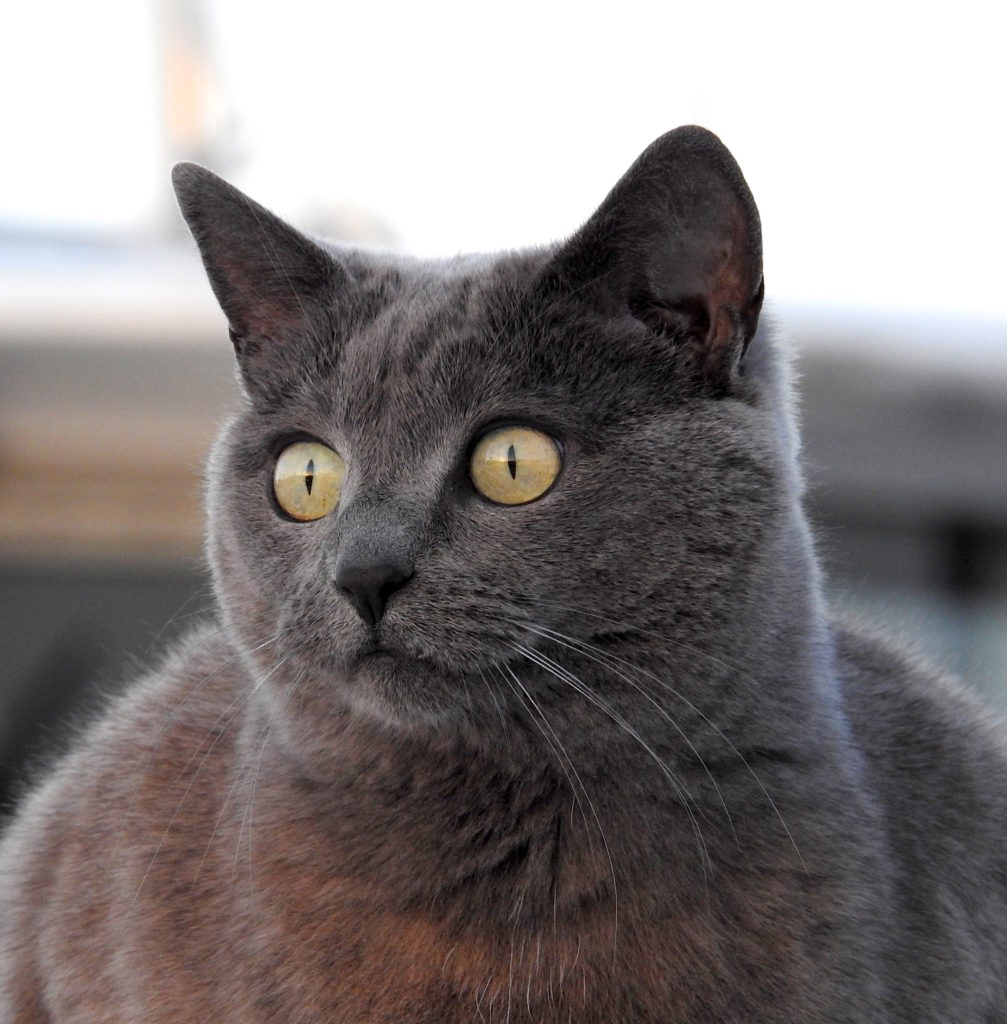
I live aboard Datawake with this magical being, and have a massive backlog of photos and stories. In the meantime, this is just a teaser... this 7-year-old Russian Blue has a lot to do with my quality of life. Here's her high-tech litter box, with carbon filter and webcam:
The Shacktopus Power Cart
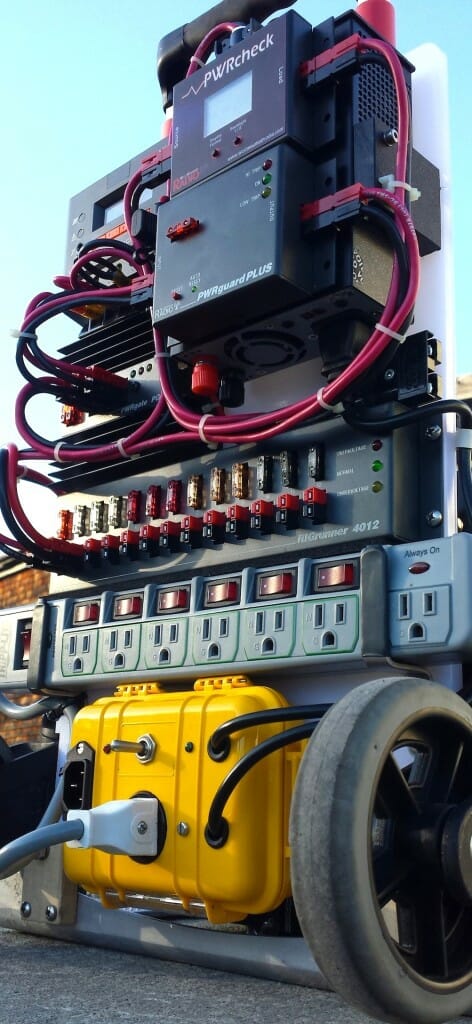
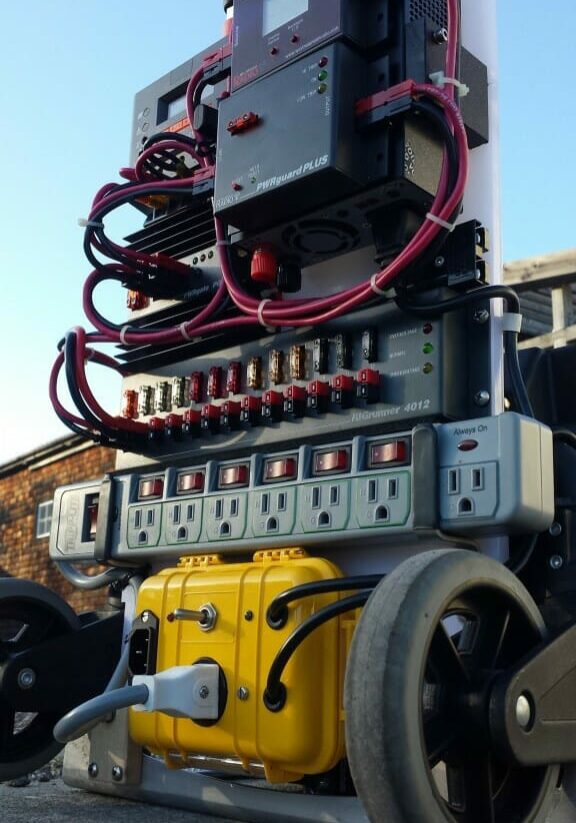
A universal power system, built into a collapsible hand truck for use in emergencies.
You must be logged in to post a comment.